
Termite Control Melbourne | 24/7 Service
Thermal imaging and Termatrac inspections with written findings, colony elimination and 8-year barrier warranties. Inspections from $200, with prices agreed before anything starts.
Think You Have Termites? Get A Straight Answer.
Send us your postcode and what you have noticed. We will tell you whether it sounds like live termites, old damage or something else entirely – and what an inspection would cost at your property.
Request Your Quote
Takes under a minute — postcode and what you have noticed.
Termite Services In Melbourne
Find it, kill the colony, then stop it coming back. Most jobs are one of these four — and every one starts with a written price.
 01
01Termite Inspection
A full inspection of the interior, roof void, subfloor, perimeter and garden, using thermal imaging, Termatrac radar, moisture meters and sounding. You get written findings with photographs whether we find anything or not.
 02
02Termite Treatment
Live termites are dealt with first — dusting or foaming the workings so the colony carries the product home — and only then do we talk about long-term protection. Killing what you can see is not the same as killing the colony.
 03
03Barriers & Baiting
A full perimeter chemical barrier or an in-ground baiting system, depending on your soil, slab and access. Barriers carry an 8-year warranty; baiting suits properties where the nest cannot be found.
 04
04Pre-Purchase Inspection
Before you sign, find out what the timber is really doing. A same-day written report you can take to the agent, the bank or the negotiating table — and a straight answer about what repairs will cost.
Six Signs You Have Termites
Termites do their damage silently and out of sight. By the time any of these are obvious the colony has usually been feeding for months — so treat every one of them as a reason to book an inspection, not a reason to wait and watch.
Mud tubes on walls or stumps
Pencil-width earthy tunnels running up brick, concrete stumps or piers. Termites build them to keep out of the light and hold humidity. A tube is not a maybe — it is a live highway into your house.
Timber that sounds hollow
Tap a skirting board, door frame or architrave. Termites eat from the inside out and leave a paper-thin skin, so a papery, drum-like sound where the timber should be solid is a strong indicator.
Floors or skirtings gone soft
A springy floorboard, a skirting you can push a screwdriver into, or a door frame that suddenly sticks. These usually mean the damage has already been going for months.
Discarded wings on sills
After a colonising flight the alates snap their wings off. Small piles of identical wings on a windowsill or in a cobweb mean a colony flew nearby, and possibly into your roof.
Blistered or rippled paint
Paint that bubbles or ripples like water damage without a leak to explain it. The termites are working immediately behind the surface and the moisture they carry lifts the paint.
Bulging or cracked plaster
Fine cracking, a bulge in a cornice, or a stain that keeps coming back after painting. Wall linings hold moisture in and termites follow the studs upward behind them.
They are not “white ants”
Termites are not ants at all — they belong to the cockroach order, Blattodea. It matters more than it sounds: ant baits and surface sprays sold for ants do nothing to a termite colony, and plenty of Melbourne homeowners lose months of timber assuming otherwise. If you can see insects with a thick waist and no pinch behind the thorax, stop spraying and call someone.
Four Things Not To Do
Almost every expensive termite job we attend was made worse by something well-intentioned that happened first. If you have found activity, the best thing you can do is leave it exactly as it is and pick up the phone.
Do not spray them
A can of surface spray kills the few hundred workers you can see and tells the rest of the colony to move. They seal off that area and start feeding somewhere else in your house — usually somewhere you cannot see. It makes the job harder and more expensive.
Do not disturb the workings
Do not break open mud tubes, pull off the damaged board or poke around to see how bad it is. Live workings are what we use to get product back into the colony. Once you disturb them, that route is gone and so is the fastest treatment option.
Do not seal or patch over it
Filling, painting or re-cladding hides the evidence but not the colony. It keeps feeding behind the new surface, and you lose the only visible warning you had.
Do not assume a steel frame is safe
CSIRO found attack rates on homes are independent of frame type. Steel-framed houses are attacked just as often, because termites simply move on to the skirtings, architraves, floors, cabinetry and stored timber inside.
The Termites That Actually Matter In Victoria
Australia has over 350 termite species and only about 20 damage buildings. In Victoria it comes down to five groups — and Coptotermes alone causes more than 80% of the damage done to buildings in this state. Identifying the species is not academic: it decides whether you need baiting, a barrier, a dusting, or genuinely nothing at all.
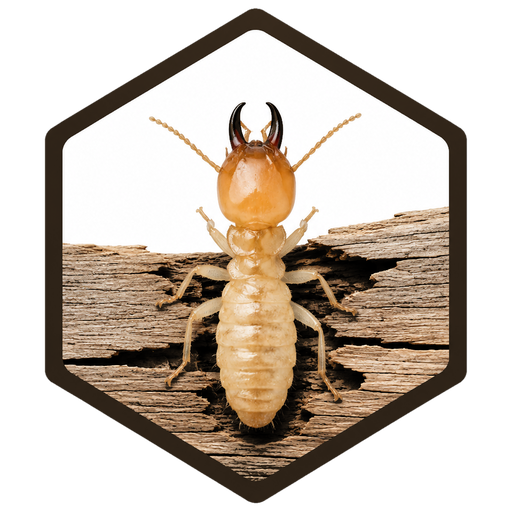
The One That Wrecks Houses
The most destructive termite in Australia and the species behind the majority of Melbourne claims. Nests out of sight in the base of a eucalypt, a stump, under a slab or inside a wall cavity, and forages at least 50 metres for food. Recruits heavily to a new food source, which is exactly why it responds so strongly to baiting.
- NestTree bases, stumps, under slabs, wall cavities
- ColonyCommonly 500,000; up to 1 million
- Soldier3.5-6.5mm, pear-shaped head, ejects white latex
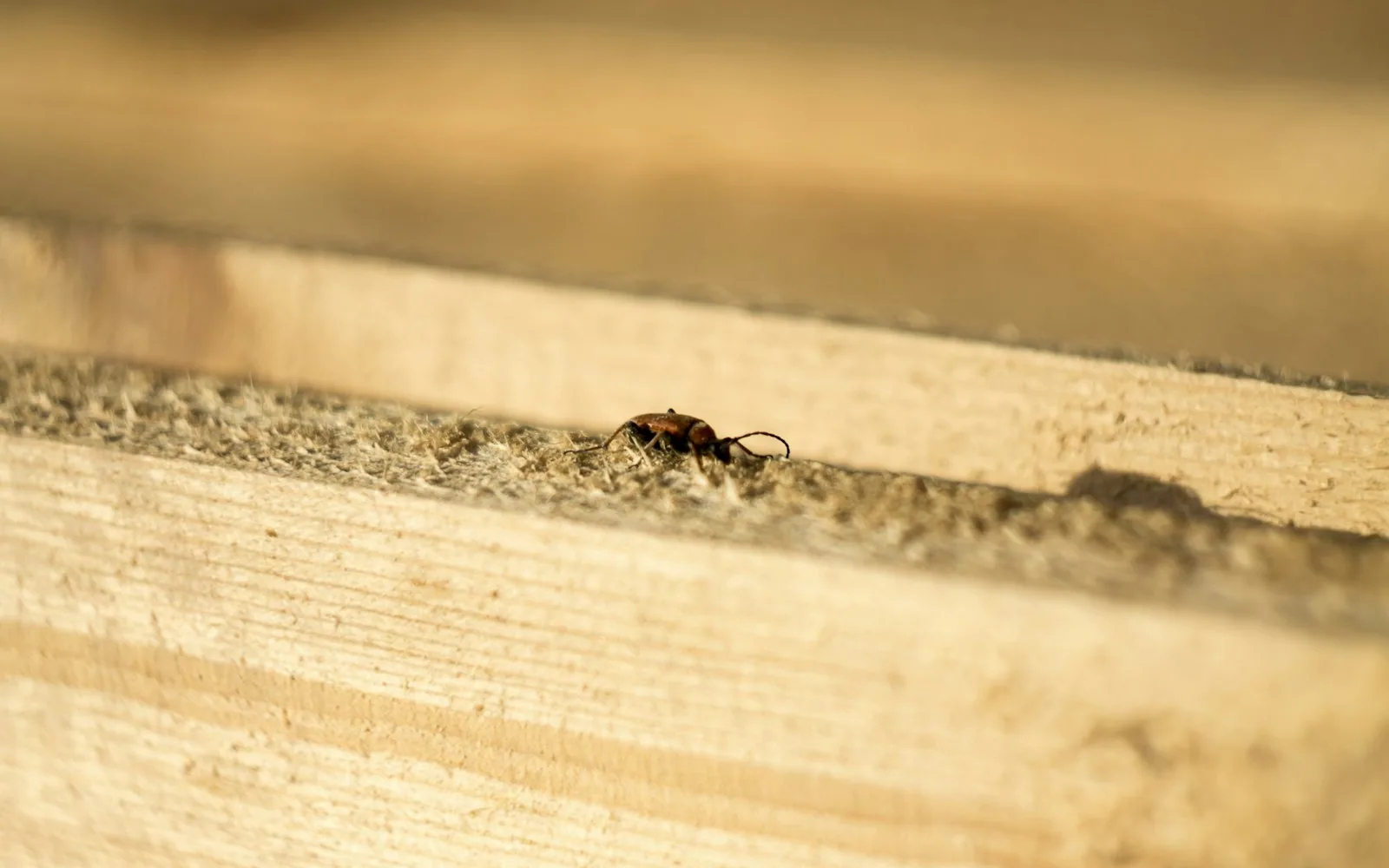
The Quiet Spreader
The same genus and just as damaging, but it behaves differently: it explores widely and feeds lightly at many points rather than concentrating in one place. That makes it easier to miss on a casual look, and it responds less strongly to baits, so barrier and dusting work usually matter more.
- NestTree bases and stumps, often well away from the house
- HabitFeeds lightly at many separate points
- BaitsResponds less strongly than acinaciformis
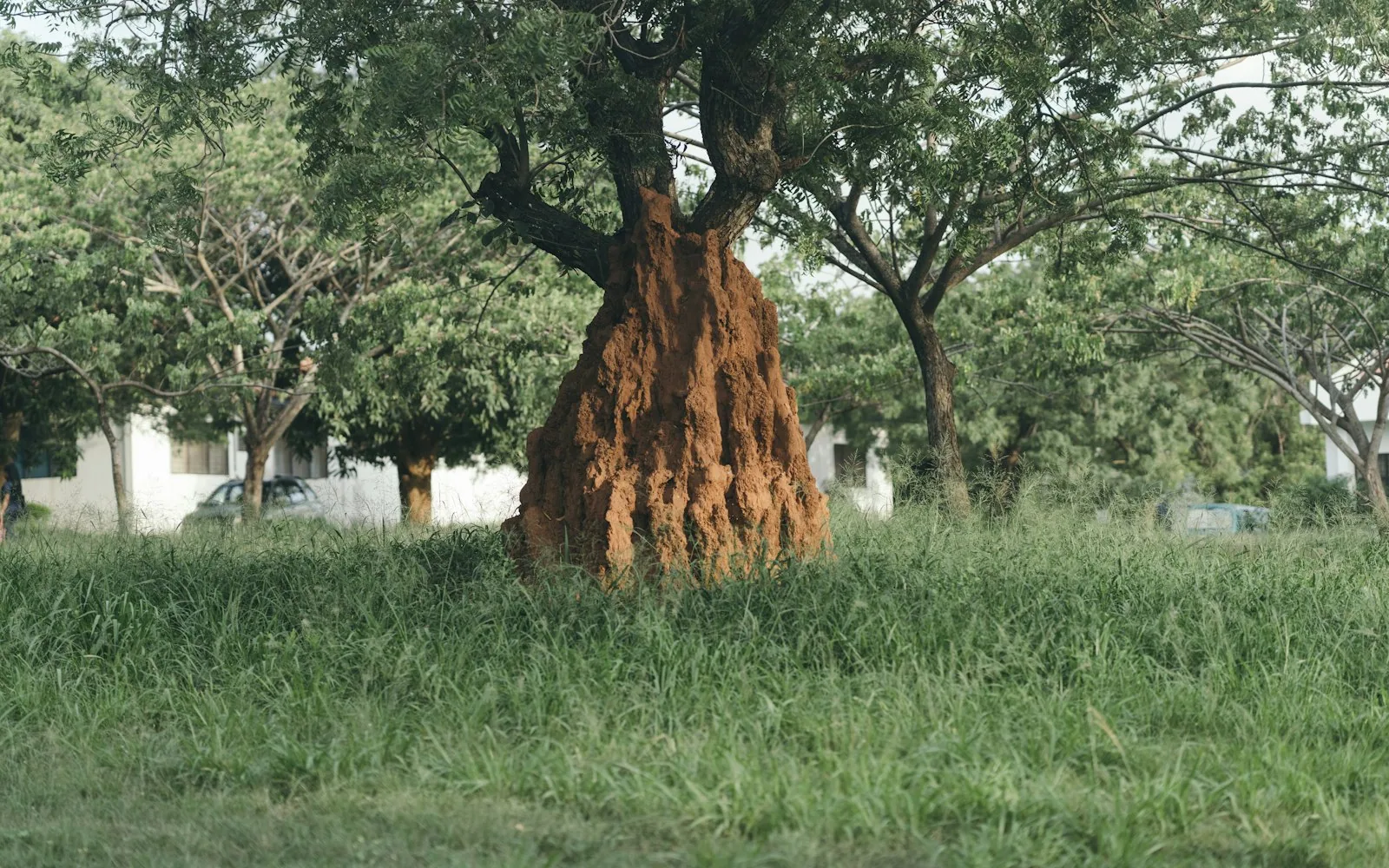
The Mound Builder
A forest species that builds large dome mounds in bushland on the city fringe. It is the one piece of good news on this page: lacteus will not attack a well-constructed building. If you have a mound on a rural block we will usually tell you to leave it alone rather than sell you a treatment.
- NestLarge dome mounds in bush and paddocks
- RiskWill not attack a well-built structure
- ActionUsually none – identify and leave in place
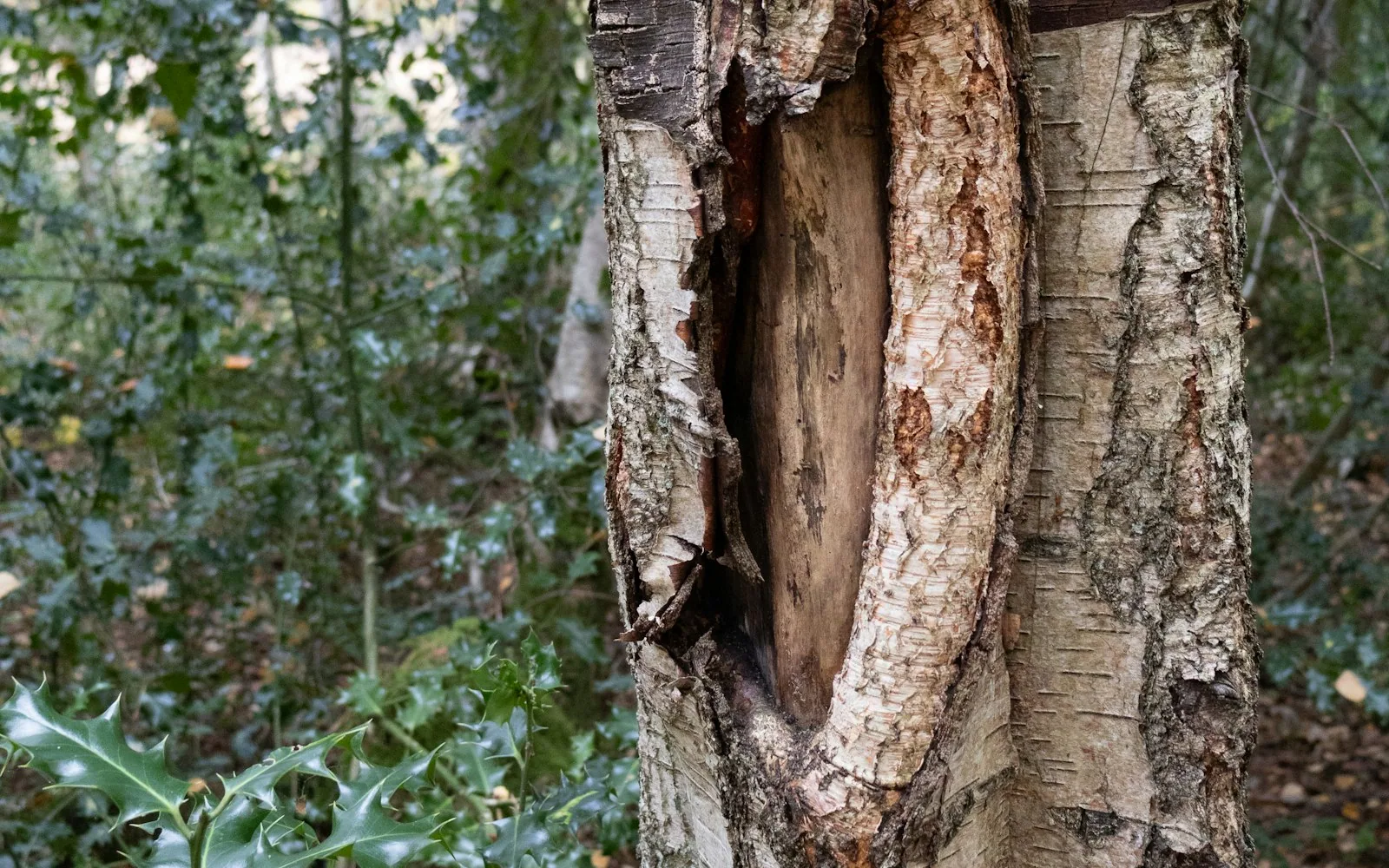
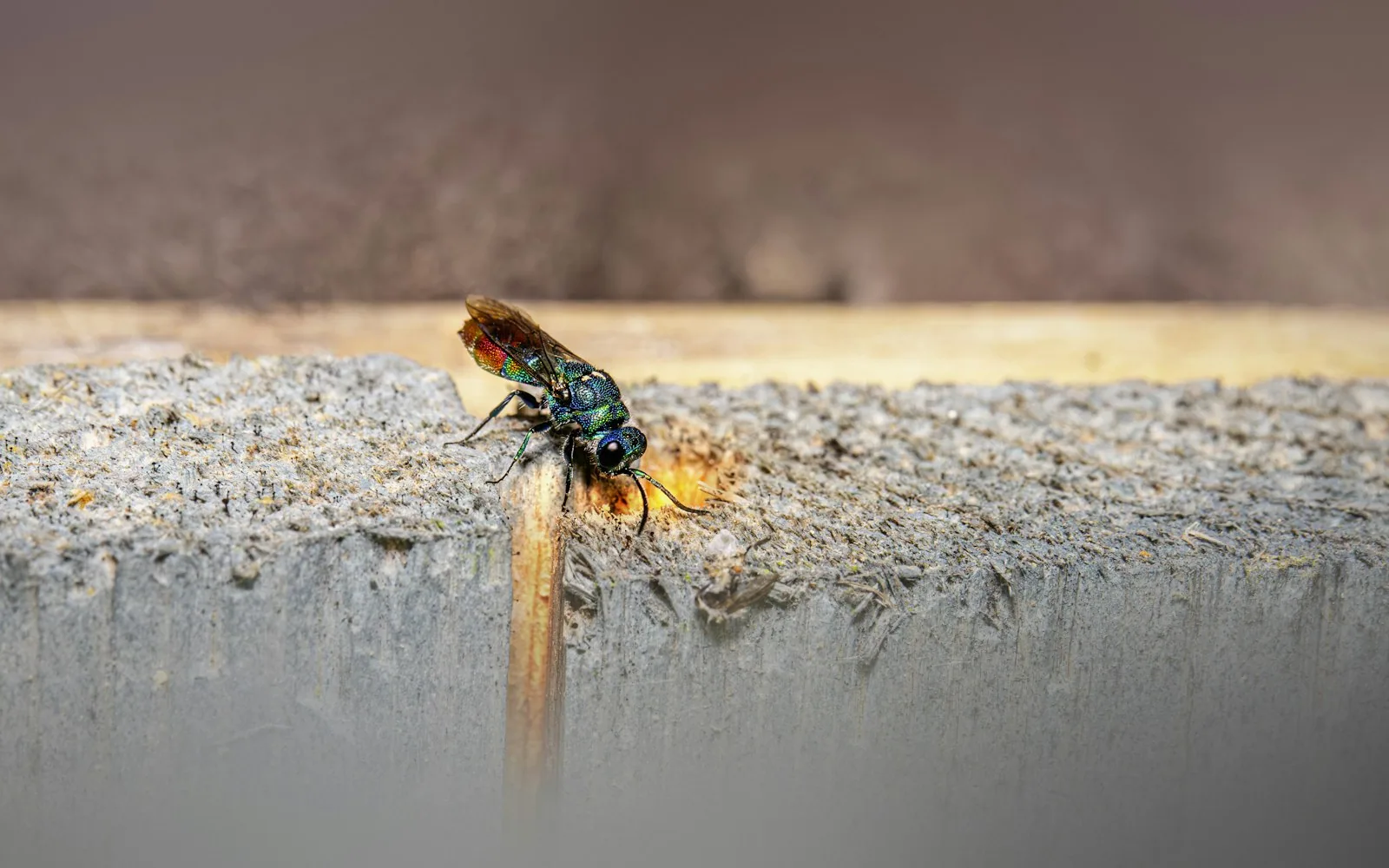
Dampwood Termite
Australia’s largest termite, and one Melbourne actually sees — it is common through the wetter mountain country and the dry foothills around the city. It lives in big pieces of timber and old trees in small colonies, does not build shelter tubes and does not travel far underground, so it is far more localised than Coptotermes.
- NestInside large timber and old trees
- RangeWet ranges and the dry Melbourne foothills
- ControlOften dies once exposed; boron salts used to finish
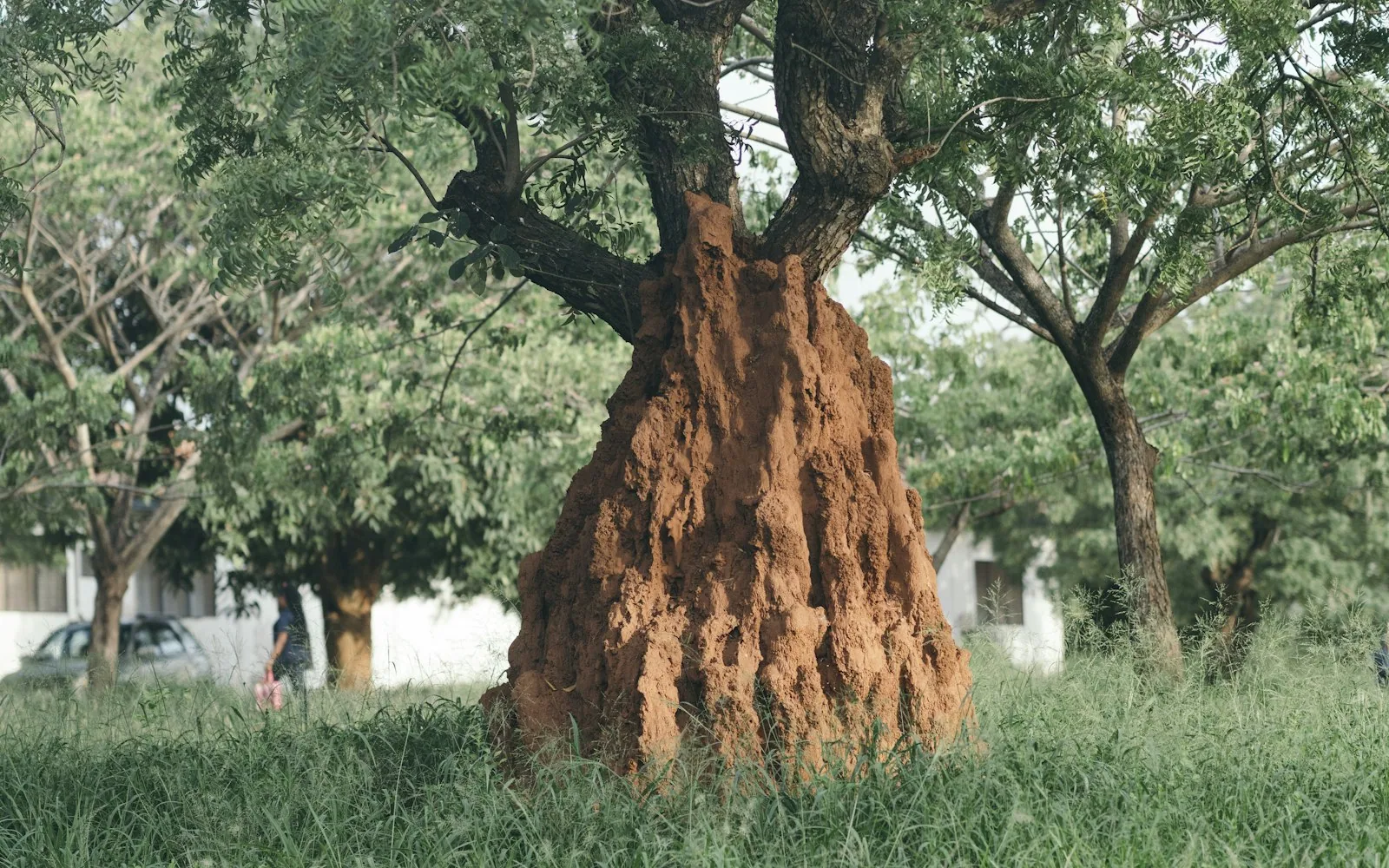
Garden Timber Termite
Of minor importance in Victoria, where it mostly attacks garden timbers, sleepers and fencing rather than houses, and is common north of the Divide. Builds a dark, thin-walled mound 30-75cm high. Its soldiers are unmistakable: no jaws, a pointed snout that squirts a sticky irritant, and they come out when you damage a tunnel instead of hiding.
- NestDark mounds 30-75cm tall, up to 1m across
- TargetsGarden timbers, sleepers, fences, degraded hardwood
- SoldierJawless, pointed snout, sprays irritant
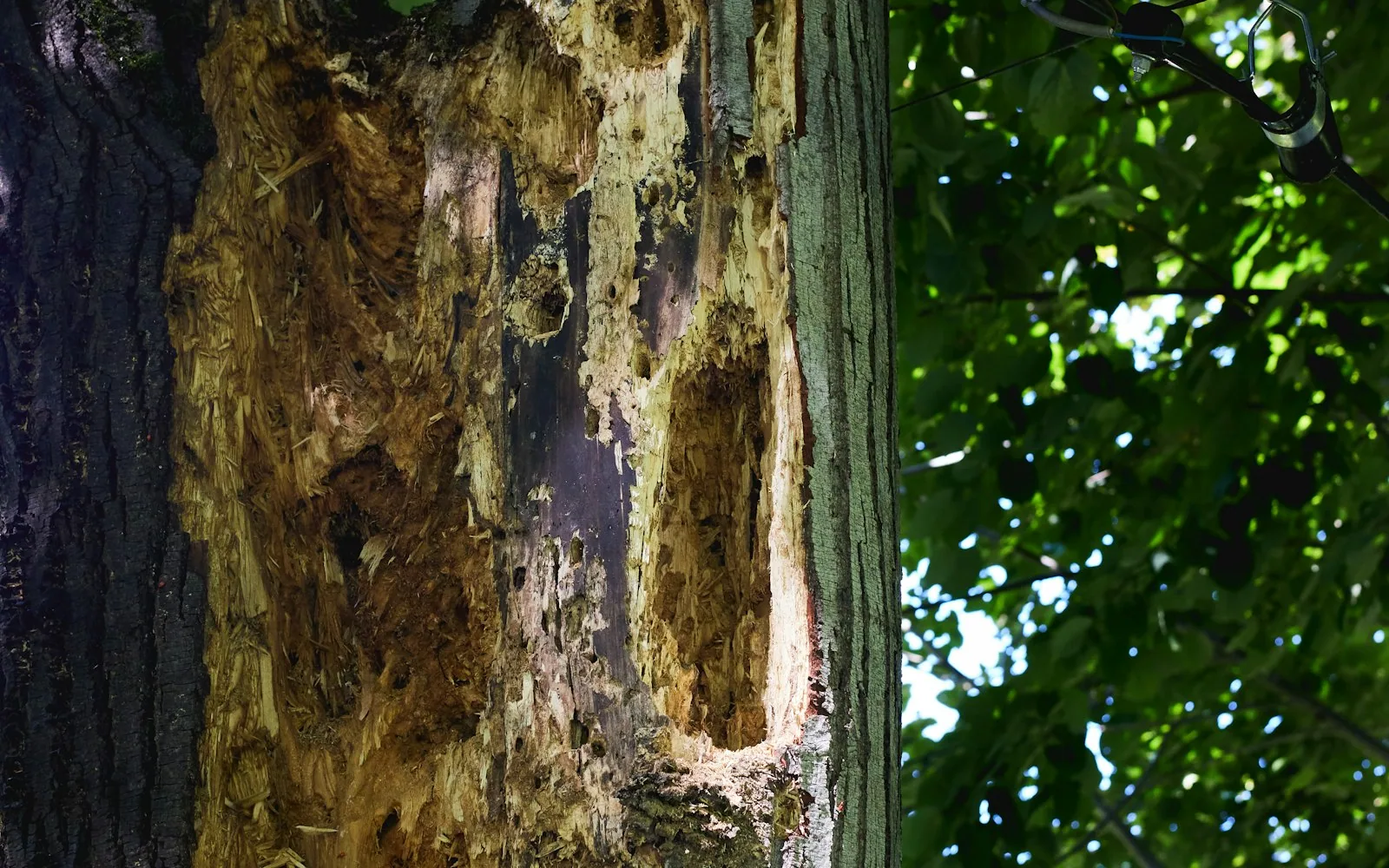
The Nomad
Destructive and relatively nomadic — it does not keep one fixed central nest, which makes it awkward to trace. In Victoria it is found in the north of the state rather than across metropolitan Melbourne. Its giveaway is having soldiers in two clearly different sizes; if there are no majors, the colony is young or weak.
- NestNo fixed central nest – moves around
- RangeNorthern Victoria, not metro Melbourne
- SoldierTwo sizes: major 5.6mm, minor 3.6mm
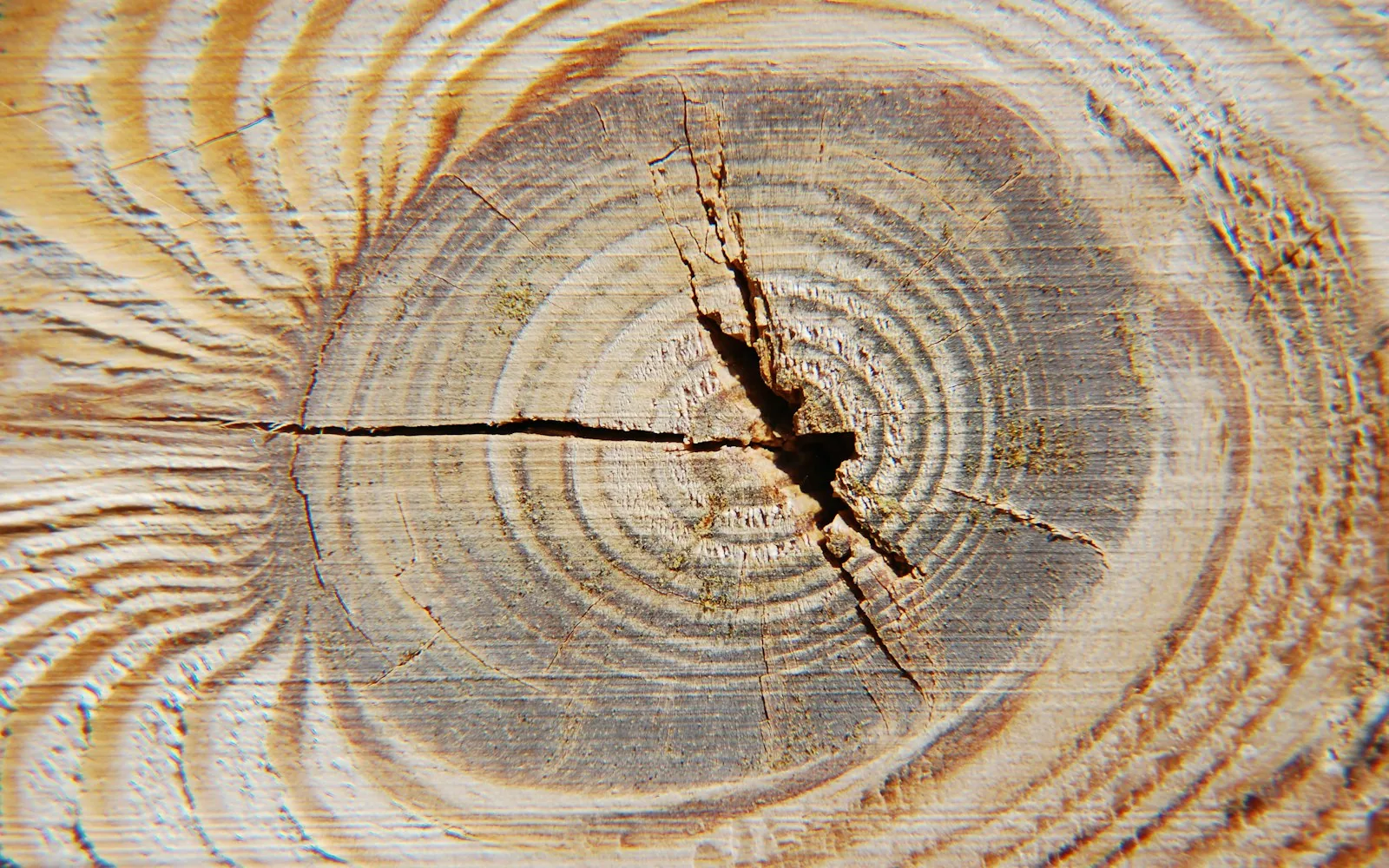
Fence And Decking Termite
Very commonly found and rarely serious. It specialises in small timbers sitting on the soil surface — paling fences, posts, sleepers, decking bearers — working within a small radius of a small nest. It is a warning rather than an emergency: conditions on your block suit termites, so the house is worth checking properly.
- NestSmall colonies close to the timber they attack
- TargetsFence posts, palings, decking, timber on soil
- SoldierUp to 4.75mm, long parallel-sided head
Species behaviour and distribution above follow the Victorian Department of Health pest control technical note on termites. Identification is made from the soldier caste, which is why we collect a specimen rather than guessing from damage alone.
Termite Treatment Cost In Melbourne
Most Melbourne termite companies will not publish a number. These are ours. They are guide starting prices for a standard home — you always get a clear written quote before anything begins, and if you have a written like-for-like quote we will beat it by 5%.
Termite Inspection
Full termite inspection of a standard home
- Interior, roof void and subfloor inspected
- Moisture meter, thermal imaging and sounding
- Perimeter, fences, stumps and garden timbers
- Written report with photographs, emailed same day
- Straight answer on what needs doing and what does not
Larger, older or difficult-access properties are quoted up to $400 before we attend.
Chemical Barrier
Full perimeter treated soil barrier
- Complete perimeter trenched and treated
- Rod injection and drilling through concrete where needed
- Non-repellent termiticide – colony carries it home
- Written installation record for your file
- 8-year product warranty in writing
Typical range $1,500-$3,500 depending on perimeter length, slab and access.
Baiting System
In-ground stations where the nest cannot be found
- Stations installed around the full perimeter
- Monitored and replenished on a service plan
- Kills the colony rather than repelling it
- Suits difficult soils, decks and paved surrounds
- Ideal where drilling or trenching is not practical
Typical range $1,400-$2,500 including the first year of monitoring.
Prices include GST and cover a standard single-storey Melbourne home. What moves the number: perimeter length, slab versus stumps, access under the house, how far the damage has already gone, and whether concrete has to be drilled. Annual protection plans from $250. Nothing proceeds without your written approval.
From Your Call To Your Warranty
The order matters. Protection installed before the live colony is dealt with just pushes the termites somewhere else on the property.
Tell Us What You Have Seen
Describe it as plainly as you can – where it is, what it looks like, how long it has been there. We can often tell you over the phone whether it is termites, ants or old damage, and how fast you need us.
Full Property Inspection
Interior, roof void, subfloor, perimeter, fences and garden timbers, using thermal imaging, Termatrac radar, moisture meters and sounding. We collect soldiers so the species is identified properly.
Written Report And Clear Quote
You get the photographed report and a clear quote, with the options explained plainly — including where doing nothing is a reasonable choice.
Kill The Colony First
Live workings are dusted or foamed so the workers carry the product back and groom it through the colony. No spraying, no disturbing the runs.
Install The Protection
Once the colony is down, a full chemical barrier or a baiting system goes in, and you receive a written record of exactly what was installed and where.
Come Back And Check
Termites are not a one-visit problem. We re-inspect, replenish stations and keep your warranty valid — annual inspection is standard industry guidance.
Eight Years On The Barrier. Five Percent Off Any Written Quote.
Every full chemical barrier we install carries an 8-year product warranty, backed in writing and supported by a written record of exactly what was installed. Keep the annual inspection up and the warranty stays live.
If you have a written, like-for-like quote from another licensed Melbourne termite company, we will beat it by 5%. Same scope, same product, same warranty — just less money.
Warranty covers the treated barrier and applies while annual inspections are maintained. Price-beat applies to written quotes from licensed Victorian operators for equivalent scope.Termite Inspections Across Melbourne
We cover metropolitan Melbourne and the outer suburbs. The eastern and north-eastern foothills — Eltham, Warrandyte, Diamond Creek, Lilydale — carry higher risk because of the surrounding eucalypt bushland and the Porotermes activity through those dry foothills. If your suburb is not listed, call anyway.
Termite Questions, Answered
Not sure whether what you are looking at is termites? Describe it when you call and we will tell you straight, at no charge.
How much does a termite inspection cost in Melbourne?
A full inspection of a standard home starts at $200, and larger, older or difficult-access properties are quoted up to $400 before we attend. You get the written photographed report either way.
How much does termite treatment cost?
A full perimeter chemical barrier runs from $1,500 to about $3,500 depending on perimeter length, slab type and access. An in-ground baiting system runs $1,400 to $2,500 including the first year of monitoring. You always get a clear written quote first, and we beat any written like-for-like quote by 5%.
How often should I have a termite inspection?
Industry guidance is a competent inspection at least every 12 months, and every six months on high-risk properties – bushland fringe, previous activity, heavy timber in ground contact or ongoing moisture problems. Annual inspection is also what keeps a treatment warranty valid.
Can I just spray the termites myself?
Please do not. A surface spray kills the workers you can see and signals the rest of the colony to seal that area off and feed somewhere else in the house, usually somewhere hidden. It makes the job slower and more expensive, and it destroys the live workings we use to get product back to the nest.
What is the difference between a barrier and a baiting system?
A chemical barrier treats the soil around the whole perimeter so termites pick up a non-repellent termiticide and carry it back to the colony; it carries an 8-year warranty. A baiting system puts cellulose stations in the ground to be found, fed on and monitored. Baiting is usually the better answer when the nest cannot be located or when trenching and drilling are impractical.
Are termites really called white ants?
No, and the name causes real damage. Termites are not ants at all – they sit in the cockroach order Blattodea. Ant baits and ant sprays do nothing to a termite colony, so homeowners who treat them as ants often lose months of timber before calling anyone.
Which termites actually attack houses in Victoria?
Of Australia’s 350-plus species only about 20 damage buildings, and in Victoria it comes down to five groups. Coptotermes causes more than 80% of the damage done to buildings in this state. Porotermes adamsoni, the dampwood termite, is also common through the dry Melbourne foothills.
Is a steel-framed house safe from termites?
No. CSIRO has found that attack rates on homes are independent of frame type. Termites simply move on to the skirtings, architraves, door frames, floors, cabinetry and anything stored in the garage.
How long does an inspection take?
Between about 1.5 and 3 hours for a typical home, depending on size, subfloor access and roof void access. Rushing it is how activity gets missed, so we would rather book the right amount of time.
Will you damage my house getting to them?
No. An inspection is non-destructive – moisture meters, thermal imaging and sounding, not opening walls. If a barrier later requires drilling through concrete, that is explained and priced in writing before we start, and the holes are patched.
Do you find termites on every inspection?
No, and we will tell you plainly when a property is clear. Sometimes the honest answer is that there is old damage with no live activity, or a Heterotermes colony in a fence post that is a warning rather than an emergency. You keep the report regardless.
How quickly can you attend?
The phone is answered 24/7 and same-day attendance is often possible for live activity. If you have just found mud tubes or put a foot through a floorboard, call now and leave the area untouched.
Book Your Termite Inspection Today
Every week you wait is another week of feeding. Call 0435 073 966 any hour, or send your details and we will come back with a quote.